
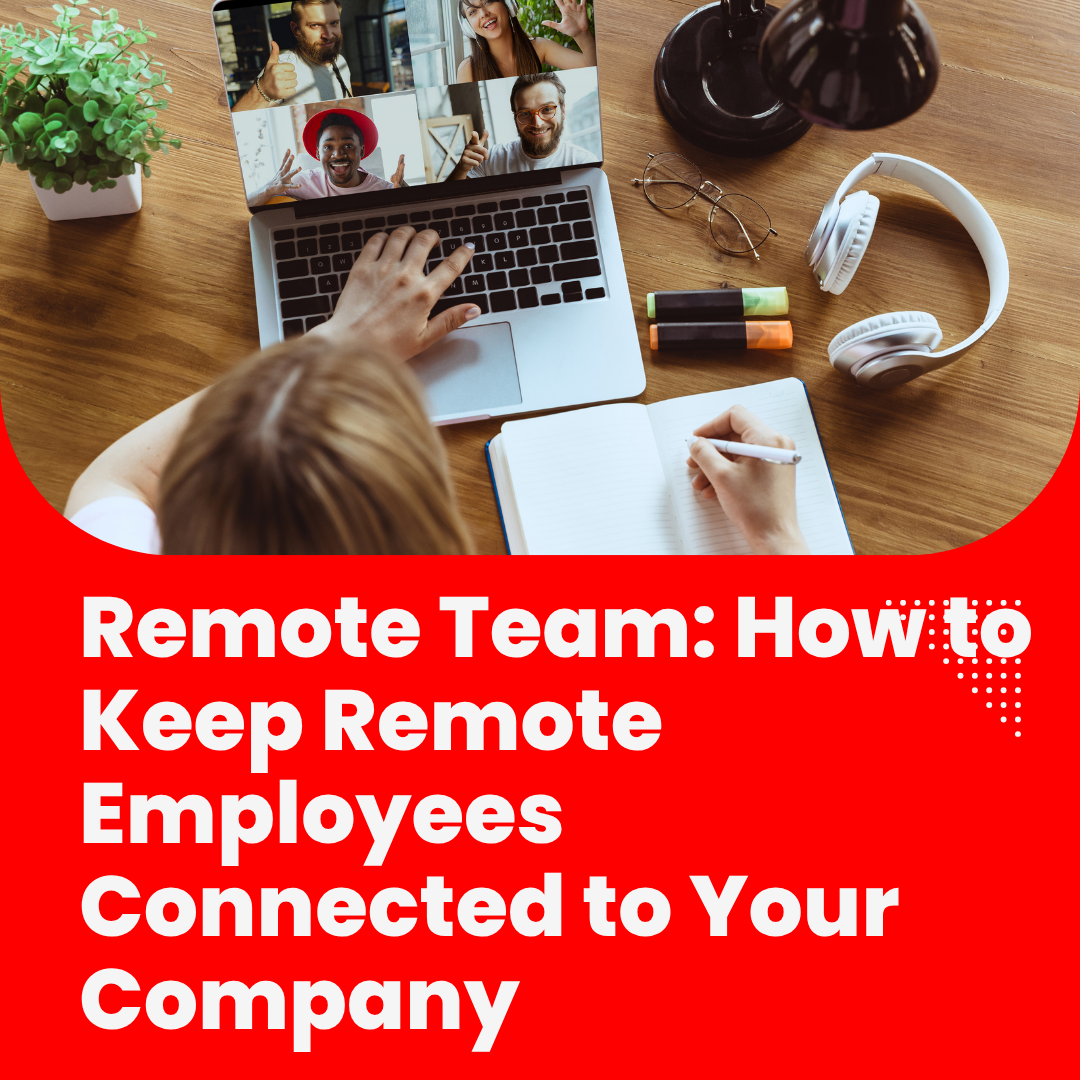
Building a successful remote team is about more than assigning tasks, setting deadlines, and communicating through email or messaging platforms. One of the biggest challenges companies face when working with remote employees is making sure those employees actually feel like part of the organization.
Working remotely should not mean working separately from the company.
Remote employees need to understand how their responsibilities fit into the bigger picture. When they have the right context, access to information, opportunities to participate, and a clear understanding of company goals, they can contribute more effectively and feel more connected to the organization.
Include Remote Employees in Relevant Meetings
Not every meeting needs to include every employee. However, excluding remote employees from meetings that directly affect their work can leave them without important information.
When a meeting involves their responsibilities, projects, clients, or processes, giving remote employees an opportunity to participate can help them make better decisions and stay aligned with the rest of the organization.
The goal isn’t to add more meetings. It’s to make sure the right people are included when their participation matters.
Provide Training and Development
A remote team needs opportunities to learn just like an office-based team.
Training can help employees improve their technical skills, understand company procedures, and stay up to date with changes within the organization. Professional development also communicates something important: remote employees are not simply people completing tasks—they are valuable members of the team.
Make Company Processes Clear
Remote employees should understand how work gets done across the organization.
Clear processes help employees know who to contact, where to find information, how decisions are made, and what is expected from them. Good documentation is especially important when employees are working from different locations.
When processes are clear, employees can work more independently without constantly waiting for instructions.
Create Opportunities for Feedback
Communication should go both ways.
A strong remote team needs opportunities for employees to ask questions, share ideas, identify problems, and provide feedback. Managers should create channels where remote employees can communicate openly rather than limiting communication to task assignments and status updates.
Feedback can also help companies identify improvements that may benefit the entire organization.
Build a Strong Team Culture
Company culture shouldn’t stop at the office door—or disappear because someone works remotely.
Remote employees should have opportunities to interact with colleagues, understand company values, and participate in activities that help build connections. Small efforts to create inclusion can make a significant difference in how employees experience their work.
Most importantly, remote employees should understand how their individual responsibilities contribute to the company’s larger objectives.
When people can see the connection between what they do every day and the results the business is trying to achieve, they are more likely to feel engaged, accountable, and motivated.
A Remote Team Can Be Connected and Productive
A successful remote team doesn’t need to be physically together to work effectively. What it needs is communication, structure, inclusion, and clear expectations.
Remote employees should have access to the information and resources they need, opportunities to participate, and a clear understanding of how their work contributes to the organization.
At Valore Office Solutions, we help businesses build and manage remote teams with qualified professionals who can become an integrated part of your operations.
Vetted. Trained. Proven.
📞 310-975-5832