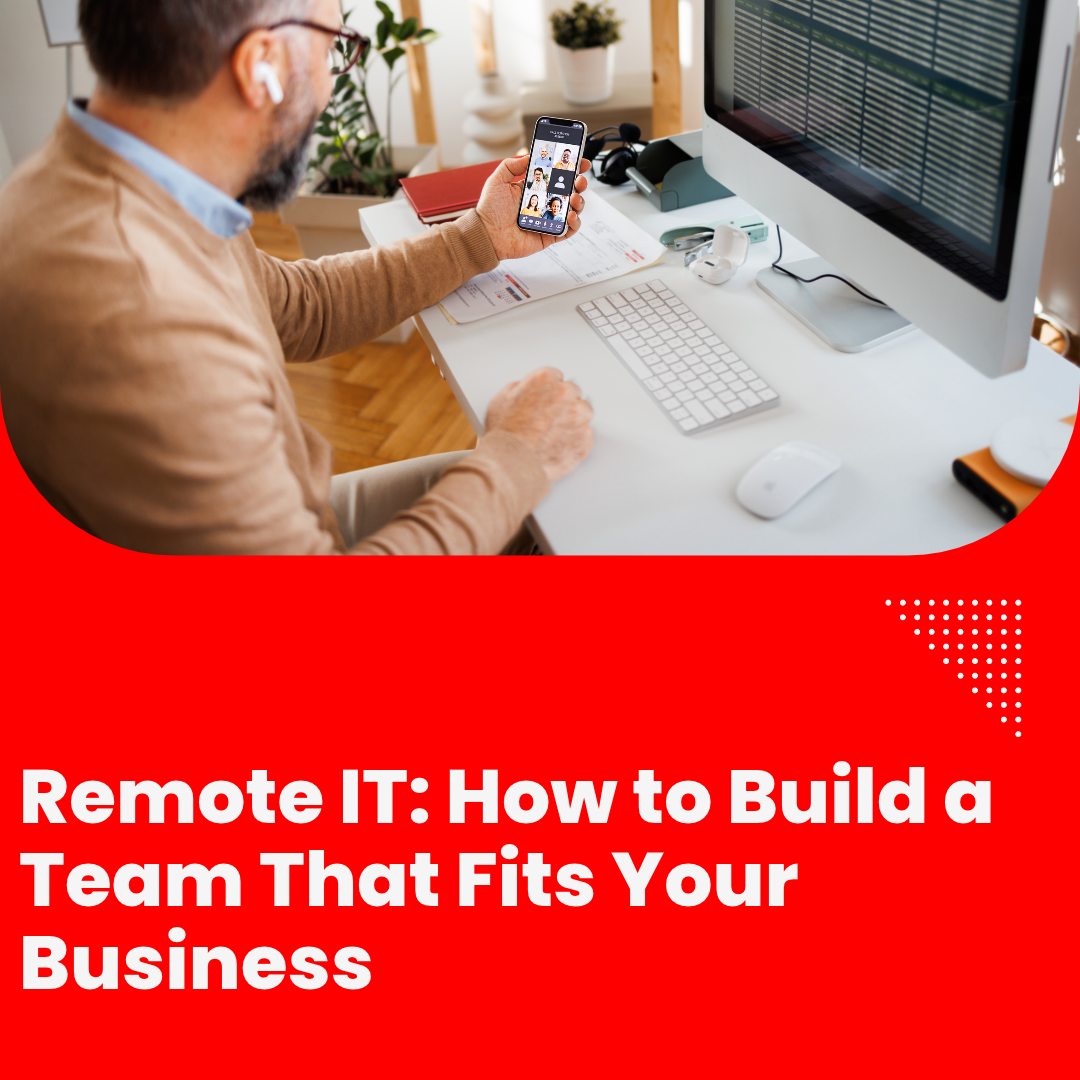
Technology plays a vital role in keeping modern businesses productive, connected, and competitive. From troubleshooting computer problems to maintaining networks and managing systems, reliable IT support helps employees focus on their responsibilities without unnecessary interruptions. However, building an effective IT department can be expensive and time-consuming. That’s why many companies are exploring Remote IT solutions to access the technical expertise they need while maintaining flexibility.
The key is not necessarily hiring more people. It’s finding the right technical skills for your business.
1. Identify Your Business’s IT Needs
Before hiring or outsourcing, take time to identify the technical challenges affecting your operations. Every business has different requirements, and understanding them will help you prioritize the right roles.
For example, your company may need help desk professionals to resolve everyday technical questions, desktop support specialists to troubleshoot employee devices, network support professionals to maintain connectivity, or systems administrators to manage servers, applications, and infrastructure.
Start by identifying your most frequent IT problems. Are employees losing time because of recurring computer issues? Are network interruptions affecting productivity? Do you need more consistent system maintenance?
Understanding these challenges will help you determine which Remote IT professionals can deliver the greatest value.
2. Define Coverage Hours and Response Expectations
Remote IT support works best when responsibilities and expectations are clearly established.
Determine when your business needs technical coverage, how quickly support requests should receive a response, and which issues require immediate attention. Establishing escalation procedures also helps ensure that critical problems reach the appropriate technical professional.
Clear communication protocols reduce confusion and help employees understand where to request assistance and what to expect.
3. Look Beyond Technical Knowledge
Technical experience is essential, but successful Remote IT professionals need more than troubleshooting skills.
Communication is particularly important when employees and technical teams work remotely. IT professionals must be able to explain technical problems in understandable language, provide timely updates, and collaborate with colleagues who may not have advanced technical knowledge.
Documentation is equally valuable. Recording solutions, maintaining accurate procedures, and tracking recurring incidents helps businesses resolve future problems more efficiently and maintain continuity when team responsibilities change.
When evaluating candidates, consider their technical qualifications, problem-solving abilities, communication skills, and approach to documentation.
4. Prioritize Security and Performance
Remote access introduces important security considerations. Businesses should establish appropriate access controls, use secure authentication methods, and grant employees and contractors only the permissions required for their responsibilities.
Security procedures should align with company policies and applicable requirements. Regular reviews of access permissions and established procedures can help reduce unnecessary exposure.
Performance should also be measurable. Useful metrics may include response times, resolution rates, recurring incidents, ticket backlogs, and employee satisfaction. These indicators help decision-makers evaluate whether their IT support is addressing business needs effectively.
The goal is not simply to measure how busy a team appears to be, but to understand how well it supports business operations.
5. Consider Outsourcing Your Remote IT Team
Recruiting qualified IT professionals involves more than finding candidates. Businesses must also manage interviews, hiring, onboarding, payroll, HR administration, and ongoing personnel needs.
For companies without the internal resources to manage every step, outsourcing can provide another option. Working with a staffing partner may help businesses access qualified professionals while reducing the administrative burden associated with building a team independently.
The right approach depends on your business size, technical requirements, budget, and existing infrastructure. Some companies may need dedicated specialists, while others benefit from a combination of internal employees and external support.
At Valore Office Solutions, we help businesses explore flexible staffing solutions that align with their operational needs. Our approach helps companies build teams that support productivity and growth without adding unnecessary complexity to their hiring process.
Build a Remote IT Team Around Your Business Goals
An effective Remote IT strategy begins with understanding what your business needs most. Identify your biggest technical bottlenecks, prioritize the skills required to solve them, establish clear expectations, and create a framework for security and performance measurement.
You don’t necessarily need a bigger IT department. You need the right people with the right skills to keep your business running smoothly.
Ready to explore flexible staffing solutions for your business?
Contact Valore Office Solutions at 310-975-5832 to discuss how the right talent can help support your operations and long-term goals.
Valore Office Solutions — vetted. trained. proven.
Leave a Reply